
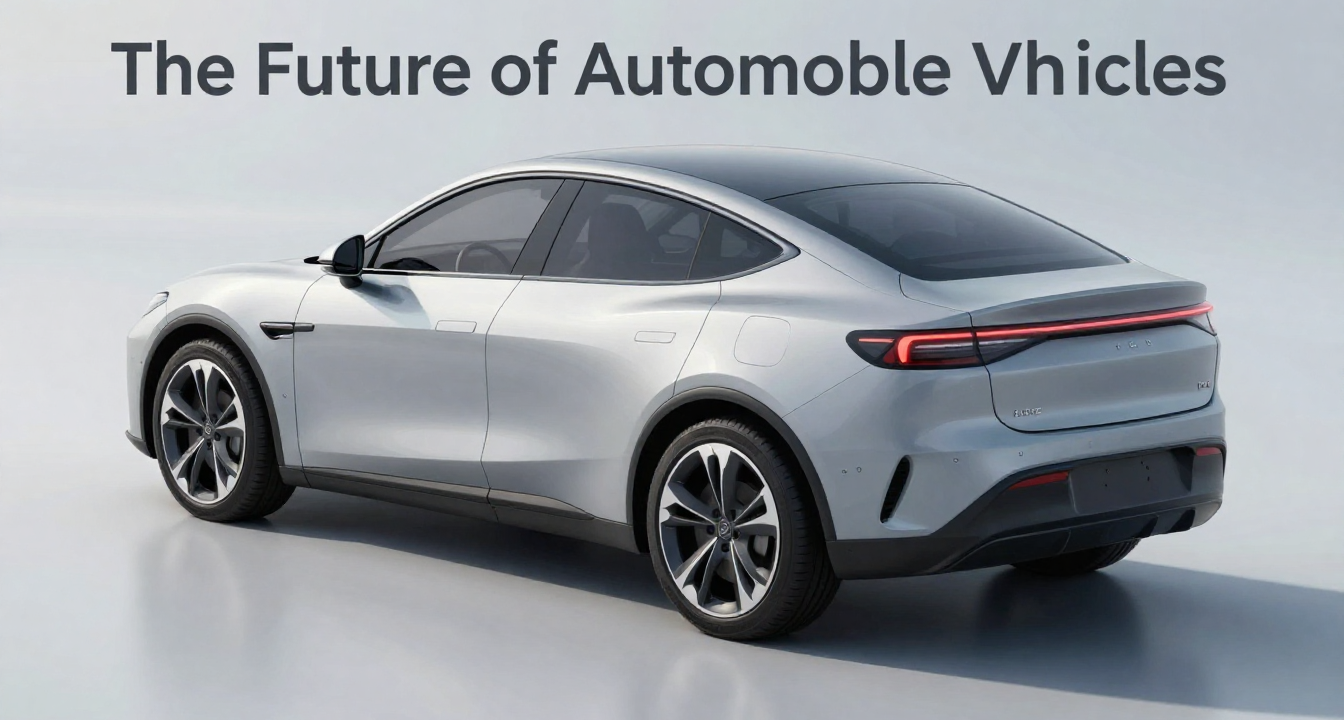
Autonomous vehicles represent one of the most transformative technologies of our time. The future of autonomous vehicles depends heavily on how well manufacturers address safety concerns, overcome technical obstacles, and prove their systems work in real-world conditions. When you understand how these vehicles are being tested and what challenges developers face, you’ll see why this journey is both exciting and complex.
Self-driving cars promise to reduce accidents, improve traffic flow, and give independence to people who cannot drive. However, before these vehicles become commonplace on your streets, they must prove they’re safer than human drivers. This is why rigorous testing and validation matter so much. Companies and regulators are working together to establish standards that ensure autonomous vehicles meet strict safety requirements before they reach everyday drivers like you.
How Autonomous Vehicles Keep You Safe
Modern autonomous vehicles rely on multiple layers of safety technology to protect passengers and pedestrians. These systems use cameras, radar, and lidar sensors to see everything around the vehicle at all times. Unlike human drivers, autonomous systems never get tired, distracted, or emotional. They process information instantly and make split-second decisions based on predetermined safety protocols.
The safety architecture in driverless vehicles includes redundant systems. This means if one sensor fails, backup sensors take over immediately. Think of it like having multiple pairs of eyes watching the road constantly. The vehicle’s computer brain analyzes data from all these sensors simultaneously, predicting what other drivers and pedestrians might do next. This predictive ability helps autonomous vehicles avoid accidents before they happen.
Manufacturers also implement fail-safe mechanisms. If the autonomous system detects a malfunction, it automatically alerts the driver or brings the vehicle to a safe stop. You might not realize it, but every autonomous vehicle on the road today has safety features designed to handle hundreds of different scenarios that human drivers might never experience.
Major Obstacles Slowing Development
Despite impressive technology, developers face real hurdles when creating fully autonomous vehicles. One significant challenge is programming vehicles to handle every possible driving situation. Rain, snow, fog, and unusual weather conditions make it harder for sensors to accurately detect obstacles and road markings. A heavy snowstorm, for example, can confuse the vehicle’s vision systems because snow covers lane lines and changes how the road looks.
Another obstacle involves unpredictable human behavior. Pedestrians jayywalk, cyclists weave between traffic, and other drivers make irrational decisions. Teaching a computer to anticipate these actions is incredibly difficult. The vehicle must decide in milliseconds whether to brake, accelerate, or turn. Making the wrong choice could have serious consequences.
Ethical questions also slow progress. When an unavoidable accident is imminent, should the autonomous vehicle prioritize protecting its passengers or protecting pedestrians outside the car? These moral dilemmas don’t have easy answers, and different countries have different opinions about how vehicles should respond.
Cybersecurity presents another challenge you should understand. As vehicles become more connected, hackers might try to access their systems. Protecting autonomous vehicles from cyberattacks requires constantly updating security measures and staying ahead of potential threats.
Real-World Testing Programs
Companies are testing autonomous vehicles in actual driving conditions rather than just in laboratories. These real-world tests provide valuable information about how vehicles perform when facing genuine challenges. Major technology companies and car manufacturers have launched testing programs in cities across North America, Europe, and Asia.
Testing typically happens in phases. First, vehicles operate in controlled environments with safety drivers ready to take control if needed. As the technology improves, testing expands to busier streets and more complex situations. Gradually, vehicles handle more challenging conditions independently. This careful approach ensures that any problems get identified and fixed before they endanger the public.
| Testing Location | Focus Area | Status |
|---|---|---|
| San Francisco, California | Urban driving and pedestrian interaction | Active testing with safety drivers |
| Phoenix, Arizona | Desert conditions and highway performance | Expanded commercial operations |
| Pittsburgh, Pennsylvania | Mountain terrain and complex intersections | Advanced autonomous systems testing |
| London, United Kingdom | Left-side driving and European traffic patterns | Pilot programs |
Safety drivers play a crucial role during testing. These trained professionals sit in the vehicle and monitor the autonomous system’s performance. They can take control immediately if the vehicle encounters a situation it cannot handle safely. Data collected during these tests helps engineers understand what works well and what needs improvement.
Manufacturers also use simulation technology extensively. Before testing on actual roads, vehicles are tested in virtual environments with millions of simulated miles. These digital tests expose the vehicle’s systems to scenarios that might only occur once in a million real miles. Simulation allows developers to identify and fix problems without risking anyone’s safety.
Current Regulatory Framework
Governments worldwide are developing regulations for autonomous vehicles. These rules establish testing requirements, safety standards, and insurance responsibilities. Regulators want to move quickly enough to support innovation but carefully enough to protect public safety. It’s a delicate balance that varies from one country to another.
The National Highway Traffic Safety Administration in the United States provides guidelines for developers. The European Union has established regulations for testing and operating autonomous vehicles. These frameworks help ensure that all manufacturers meet minimum safety standards regardless of where they test their vehicles.
Insurance liability remains a complex issue. When an autonomous vehicle causes an accident, who bears responsibility? Is it the manufacturer, the software developer, the vehicle owner, or someone else? These questions are still being worked out in courtrooms and legislatures worldwide.
What Real-World Testing Reveals
Testing in actual conditions has taught developers many lessons. One surprising discovery is that autonomous vehicles struggle most in situations that human drivers handle almost unconsciously. Understanding road construction zones, interpreting hand signals from police officers, and navigating parking lots proved more challenging than expected.
Weather remains one of the biggest obstacles. Most autonomous vehicles perform well in clear, dry conditions, but their performance drops significantly in heavy rain or snow. This is a critical finding because you likely live somewhere that experiences weather variation throughout the year. Vehicles must
The Economic Impact and Job Market Changes from Autonomous Vehicles
The rise of autonomous vehicles represents one of the most significant economic transformations of our time. Self-driving cars and trucks will reshape industries, create new opportunities, and disrupt traditional employment patterns. Understanding these changes helps you prepare for a future where transportation looks completely different from what we know today.
Transportation has always been a major part of any economy. Right now, millions of people work as drivers—taxi drivers, truck drivers, delivery drivers, and bus operators. When autonomous vehicles become mainstream, these jobs will change dramatically. Some will disappear, while others will transform into new roles. This shift touches not just workers, but entire communities and economies around the world.
How Autonomous Vehicles Will Reshape the Workforce
The employment landscape will experience significant changes as self-driving technology advances. Professional drivers represent a huge portion of the workforce in most countries. In the United States alone, approximately 3.5 million truck drivers and millions more in other driving roles depend on their jobs for income. When autonomous vehicles take over, these workers will need to transition into different positions or industries.
However, this doesn’t mean all jobs disappear. New positions will emerge. You’ll need fleet managers to oversee autonomous vehicle operations, technicians to maintain complex systems, software engineers to develop better algorithms, and customer service representatives to help passengers. The nature of work changes, but opportunities remain.
Companies like Uber and Lyft are investing heavily in autonomous technology. These investments signal major shifts coming to the transportation industry. Tesla and traditional automakers are also developing self-driving capabilities that will eventually reach the market.
Economic Benefits and Cost Savings
Autonomous vehicles promise substantial economic advantages. When you remove the human driver from the equation, operating costs drop significantly. Labor represents one of the largest expenses in transportation businesses. Eliminating driver wages, benefits, and related expenses could reduce operational costs by 30 to 40 percent for many companies.
Fuel efficiency improves with autonomous vehicles too. Self-driving cars make smarter decisions about acceleration and braking, reducing fuel consumption compared to human drivers. Insurance costs may decrease as accident rates drop—autonomous vehicles don’t get tired, distracted, or emotional while driving.
These savings translate into lower prices for consumers. Delivery services, taxi rides, and logistics costs could all become more affordable. Businesses that rely on transportation will experience higher profit margins, allowing them to invest in expansion and innovation.
Industries Facing Major Transformation
The trucking industry stands at the forefront of autonomous vehicle adoption. Long-haul trucking is expensive and relies on human drivers working long shifts. Self-driving trucks could operate continuously without fatigue, completing routes faster and more safely. Companies in the logistics sector are preparing for this transition by modernizing their infrastructure and retraining workers.
Taxi and ride-sharing services will transform completely. Passenger vehicles will drive themselves, eliminating the need for drivers. This disrupts the gig economy that currently employs millions as rideshare drivers. However, new opportunities emerge in vehicle maintenance, software updates, and customer experience roles.
Public transportation agencies are exploring autonomous buses and shuttle services. Cities could provide better coverage in areas currently underserved because autonomous vehicles operate more efficiently than traditional buses with drivers.
Regional Economic Differences and Challenges
Not all regions will experience these changes equally. Rural areas with small populations might struggle to adapt quickly. Urban centers with dense populations may transition faster because autonomous vehicles offer immediate benefits in high-traffic areas. This could deepen economic gaps between developed and developing regions unless governments plan carefully.
Workers in communities heavily dependent on driving jobs face real challenges. Truck drivers in small towns, taxi drivers in major cities, and delivery drivers everywhere need support during this transition. Job retraining programs, educational initiatives, and social safety nets become crucial tools for managing these disruptions fairly.
Innovation and New Market Opportunities
While some jobs disappear, autonomous vehicles create entirely new markets and opportunities. Manufacturing facilities will need to produce millions of self-driving vehicles. Tech companies will expand rapidly to support this growth. Cybersecurity becomes critical as hackers might target autonomous vehicles, creating demand for security specialists.
Mobility-as-a-service models are emerging. Instead of owning a car, you might subscribe to transportation services. Companies like Waymo, which operates autonomous taxi services, show this future is already beginning. These services create jobs in fleet management, customer support, and technical roles.
Real estate values could shift as well. Properties near transportation hubs might appreciate faster. Parking requirements could decrease in cities, freeing up valuable land for development, retail, or housing.
Government Policy and Regulation
Government decisions will shape how quickly autonomous vehicles transform the economy. Regulations determining where self-driving cars can operate, safety standards they must meet, and liability rules all affect adoption rates and economic impact. Supportive policies accelerate change, while restrictive ones slow it down.
Policymakers must balance innovation with worker protection. Subsidizing worker training programs helps people transition to new roles. Tax incentives for companies hiring displaced workers encourage inclusive economic growth. Investment in infrastructure supporting autonomous vehicles stimulates job creation in construction and engineering.
Consumer Spending and Economic Growth
As transportation costs decrease, you and other consumers have more money to spend on other goods and services. This spending supports businesses across many sectors, potentially creating more jobs overall. Lower logistics costs mean lower prices on shipped goods, benefiting everyone who purchases products delivered by truck or other vehicles.
Time savings represent another economic benefit. Commutes become productive work time or leisure time instead of active driving. This improves quality of life and allows workers to be more efficient, benefiting employers and the broader economy.
The autonomous vehicle revolution marks a turning point for global economics. While challenges exist, particularly for displaced workers, the long-term benefits appear substantial. Preparing now through education, training programs, and thoughtful policy ensures you and your community can thrive in this new transportation era.
Regulatory Frameworks and Legal Questions Surrounding Self-Driving Technology
The rapid evolution of autonomous vehicles presents one of the most complex challenges for lawmakers, regulators, and industry experts worldwide. As self-driving technology becomes more advanced, governments face mounting pressure to establish clear rules that protect public safety while allowing innovation to flourish. Understanding how these regulatory frameworks work helps you grasp why autonomous vehicles haven’t yet become commonplace on our roads.
Right now, there’s no single global standard for autonomous vehicle regulations. Different countries, states, and even cities have created their own rules. This patchwork of regulations makes it difficult for manufacturers to develop vehicles that work everywhere. Some places have embraced testing and deployment, while others remain cautious about allowing self-driving cars on public streets. You’ll find that this inconsistency creates real challenges for companies trying to bring autonomous vehicles to market.
Who Controls Autonomous Vehicles Legally
One of the biggest legal questions surrounding autonomous vehicles involves responsibility and liability. When a human driver causes an accident, it’s clear who bears responsibility. But what happens when a self-driving car malfunctions or makes a poor decision? Should the manufacturer be liable? What about the car’s owner? These questions remain mostly unanswered by existing laws.
Current legal frameworks were designed with human drivers in mind. They assume someone actively controls the vehicle at all times. Autonomous vehicles challenge this assumption because the technology makes decisions without human input. You need to understand that this fundamental difference requires entirely new legal approaches. Insurance companies, manufacturers, and government agencies are all working to figure out who pays when something goes wrong.
Many experts suggest that manufacturers should bear primary responsibility for autonomous vehicle failures. After all, they designed the technology and presumably tested it thoroughly. Others argue that vehicle owners and insurance companies should share the burden. Some proposals even suggest creating special insurance categories specifically for autonomous vehicles, which would set aside compensation funds before accidents happen.
Safety Standards and Testing Requirements
Before autonomous vehicles can operate widely on public roads, governments need to ensure they’re safe. This raises questions about testing standards and safety certifications. How much testing is enough? What conditions should manufacturers test in? These details matter enormously because they determine when self-driving cars are ready for real-world use.
The National Highway Traffic Safety Administration (NHTSA) in the United States has started creating guidelines for autonomous vehicle manufacturers. These guidelines focus on safety performance, cybersecurity, and transparency. However, they remain voluntary in many cases, which means manufacturers can choose whether to follow them. You’ll see that this approach allows innovation but provides less protection than mandatory standards would.
Europe has taken a different approach, moving toward stricter regulations. The European Union is developing regulations that would require autonomous vehicle manufacturers to follow specific safety standards before deployment. These rules address everything from system redundancy to failure detection. The contrast between American and European approaches shows how different regulatory philosophies are shaping the autonomous vehicle landscape.
Data Privacy and Cybersecurity Concerns
Autonomous vehicles collect enormous amounts of data about roads, traffic patterns, and driving behavior. This data is valuable for improving the technology, but it raises serious privacy concerns. What information should manufacturers collect? How long should they keep it? Who can access this data?
Cybersecurity presents another critical legal challenge. A hacked autonomous vehicle could become extremely dangerous. Regulations need to address how manufacturers should protect their systems against cyberattacks. Should there be mandatory security standards? Who certifies that a vehicle’s security is adequate? These questions don’t have clear answers yet, but they’re becoming increasingly urgent as autonomous vehicle technology advances.
Vehicle Licensing and Driver Requirements
Currently, you need a driver’s license to operate a vehicle on public roads. But what about autonomous vehicles that don’t need drivers? Should owners need special licenses or certifications? Some jurisdictions are exploring new licensing categories for autonomous vehicle owners, while others haven’t addressed this question at all.
Regulatory bodies are also struggling with vehicle registration and inspection requirements. Should autonomous vehicles undergo different inspections than regular cars? How often should they be inspected? These practical matters affect how quickly autonomous vehicles can reach consumers.
Insurance and Financial Responsibility
Traditional car insurance assumes a human driver controls the vehicle. Autonomous vehicles challenge this model fundamentally. Insurance companies need new frameworks to assess risk and set premiums. Should insurance be based on vehicle performance rather than driver behavior? How do you price insurance when the human in the car isn’t responsible for driving decisions?
Some jurisdictions are exploring ideas like manufacturer liability insurance, which would hold vehicle makers responsible for accidents caused by their technology. This approach could work well because manufacturers have the strongest incentive to make their vehicles safe. However, it also means manufacturers might raise vehicle prices to cover insurance costs.
| Region | Regulatory Approach | Testing Status |
|---|---|---|
| United States | Voluntary guidelines through NHTSA | Limited testing in select states |
| European Union | Stricter mandatory standards | Controlled pilot programs |
| China | Government-supported development | Rapid expansion in testing |
| Japan | Structured testing frameworks | Olympics-focused deployment |
Ethical and Moral Considerations in Law
Beyond practical safety questions, regulators face ethical dilemmas about autonomous vehicles. In emergency situations, how should a self-driving car’s programming handle unavoidable accidents? Should it prioritize passengers, pedestrians, or both equally? Different cultures and legal systems have different answers to these questions.
These ethical questions don’t have simple technical solutions. They require input from philosophers, ethicists, lawmakers, and the public. The future of autonomous vehicles depends not just on technological capability but on building public trust through transparent and fair regulatory frameworks. NHTSA and other regulatory bodies are beginning to address these concerns through public consultations and stakeholder engagement.
International Coordination Efforts
Creating a patchwork of different regulations makes it harder for manufacturers to build autonomous vehicles that work
Key Takeaway:
Key Takeaways: The Future of Autonomous Vehicles
The future of autonomous vehicles represents one of the most transformative shifts in transportation history. As self-driving technology continues to develop, it’s reshaping not just how we travel, but also how society functions as a whole. Understanding the key points about this revolution helps you see why so many people are excited—and sometimes concerned—about what’s coming next.
Transportation is Changing Fundamentally
The future of autonomous vehicles promises to revolutionize how people and goods move from place to place. Self-driving cars could reduce traffic congestion, make roads safer, and give more freedom to elderly people and those with disabilities. Imagine never having to sit in rush-hour traffic again or worry about finding a parking spot. These changes will affect everything from city planning to how we design our neighborhoods.
Advanced Technology Makes It Possible
Behind every autonomous vehicle sits impressive technology that allows cars to see, think, and act without human help. Sensors, cameras, artificial intelligence, and complex software work together to help self-driving cars understand their surroundings and make safe decisions. This technology is getting better every year, which means the future of autonomous vehicles becomes more realistic with each advancement.
Safety and Real Testing Matter
Before autonomous vehicles become common on every street, they need to prove they’re safe. Real-world testing shows where problems exist and what needs improvement. While some accidents have happened during testing, companies and regulators are learning valuable lessons that make future versions safer than before.
Jobs and the Economy Will Shift
The future of autonomous vehicles will change the job market significantly. Some driving positions may disappear, but new jobs in technology, maintenance, and autonomous vehicle management will appear. This economic shift requires planning and training programs to help workers transition to new opportunities.
Laws Need to Catch Up
Clear legal rules about autonomous vehicles don’t fully exist yet. Who is responsible if a self-driving car causes an accident? How should manufacturers be held accountable? These regulatory frameworks are still being developed, and they’ll shape how quickly the future of autonomous vehicles becomes our reality.
The future of autonomous vehicles won’t happen overnight, but it’s definitely on the horizon.
Conclusion
The future of autonomous vehicles represents one of the most transformative shifts in how we’ll move around our world. From the technology powering self-driving cars to the safety measures being tested on real roads, we’re witnessing a revolution that touches every part of our lives.
You’ve seen how this technology is reshaping transportation itself. Cities will look different. Commutes will change. The way we think about owning a car might never be the same again. Yet this transformation brings real challenges that we must address carefully and thoughtfully.
Making autonomous vehicles safe isn’t just about better sensors and smarter computers. It requires us to think deeply about the decisions these cars make and who bears responsibility when something goes wrong. Testing on actual roads helps us understand these systems better, but it also reminds us that we’re still learning.
The economic impact is equally significant. New jobs will emerge in programming, maintenance, and fleet management. But we also need to support workers transitioning from driving careers. Society has a responsibility to help people adapt to these changes, not leave them behind.
Laws and regulations will play a crucial role in shaping how quickly this technology reaches you. Governments worldwide are working to create fair rules that protect everyone while allowing innovation to thrive. These frameworks will determine which autonomous vehicles you can trust and when they’ll arrive in your community.
The path forward isn’t entirely certain, but one thing is clear: autonomous vehicles are coming. By understanding the technology, facing our safety concerns honestly, preparing for economic shifts, and building thoughtful regulations, we can guide this transformation in ways that benefit everyone. Your choices today—as consumers, voters, and community members—will help shape what autonomous vehicles become tomorrow.







No Comments