
“`html
Cracking the Code of Health in Canada
Ah, Canada! The land of maple syrup, polite people, and a healthcare system that’s a bit like that one friend you love—great at heart, but occasionally in dire need of a nap. While our public health system is designed to cover all the essentials, it’s been feeling the strain from a graying population, workforce shortages, and a health demand that just won’t quit. Current forecasts peg national health expenditures at a hefty 10.9% to 13.4% of GDP. Yikes!
The Nuts and Bolts: Current Stats and Health Vibes
Canadians are living long and prospering, with a life expectancy of 81.7 years—that’s like 0.6 years ahead of the OECD crowd. But don’t uncork the champagne just yet; preventable deaths still hover at a discouraging 126 per 100,000, which, spoiler alert, is lower than the OECD average, but still worth losing sleep over. By 2025, public satisfaction with provincial healthcare nudged upward to 56%, a solid 8-point bump from 2024, though a staggering 77% of folks believe we’re living in a system that’s tighter on funds than their skinny jeans. And just a heads up, if you’re in Atlantic Canada or Alberta, you might want to bring a pillow if healthcare is your topic of conversation!
When it comes to playing on the world stage, Canada’s ranking leaves much to be desired—27th place for doctor availability and 25th for hospital beds (yikes!) per the 2023 stats. In 2025 alone, more than 250 emergency rooms went MIA, not to mention a serious drought of specialized healthcare pros.
Inside the Healthcare Machine
Health Canada, our health superhero in a red cape (okay, maybe not literally), is all about teaming up with provinces and territories (P/Ts) for a sustainable, seamless healthcare experience. Their recent capers include:
- Newfoundland and Labrador boosting its game with 19 family health teams serving over 42,000 residents.
- Prince Edward Island rolling out 3 Patient Medical Homes and acquiring 91 health professionals to support those who need it most.
- Alberta, Ontario, and Nova Scotia making strides in electronic health information sharing by 15%, 8%, and 11% respectively—because who doesn’t love less paper?
By 2026, we’re aiming for 95% of family docs to get hip with electronic medical records, all while hoping to limit the number of Canadians skipping prescriptions due to skyrocketing costs to just 8% by 2025!
The Big Health Hurdles
- Aging Population: Nearly 1 in 5 Canadians now sport gray hair (or no hair), and projections show that might balloon to 1 in 4 by 2030. Talk about needing extra hands on deck for dealing with dementia, arthritis, and other chronic conditions!
- Workforce Shortages: The healthcare job market is so dried up it feels like a desert, especially when it comes to physicians, nurses, and other essential staff. We need more bodies if we want to keep the system afloat!
- Access Barriers: Over half of Canadians want better access to healthcare services—especially oral care—where 42% admit to skipping dental appointments due to wallet woes. Let’s just say, oral hygiene doesn’t come cheap in the Great White North!
- Chronic Diseases and Emerging Trends: As we attempt to lean into preventive care and community initiatives, we encounter hiccups galore. Mental health integration, AI in healthcare, and supporting Indigenous health initiatives are hot topics but not without their challenges.
Health Policies Under the Microscope
Canada’s latest health policies are all about bolstering the workforce, especially in rural and remote areas (and yes, that includes Indigenous communities). The Canadian Dental Care Plan (CDCP) is peeking through the door for those making under $90,000 and without private insurance—because dental work shouldn’t require a personal loan! Alongside, there’s a push for healthy aging, smoking cessation, balanced nutrition, vaccination boosts, and home care to reduce hospital congestion.
Regional Health Spotlight
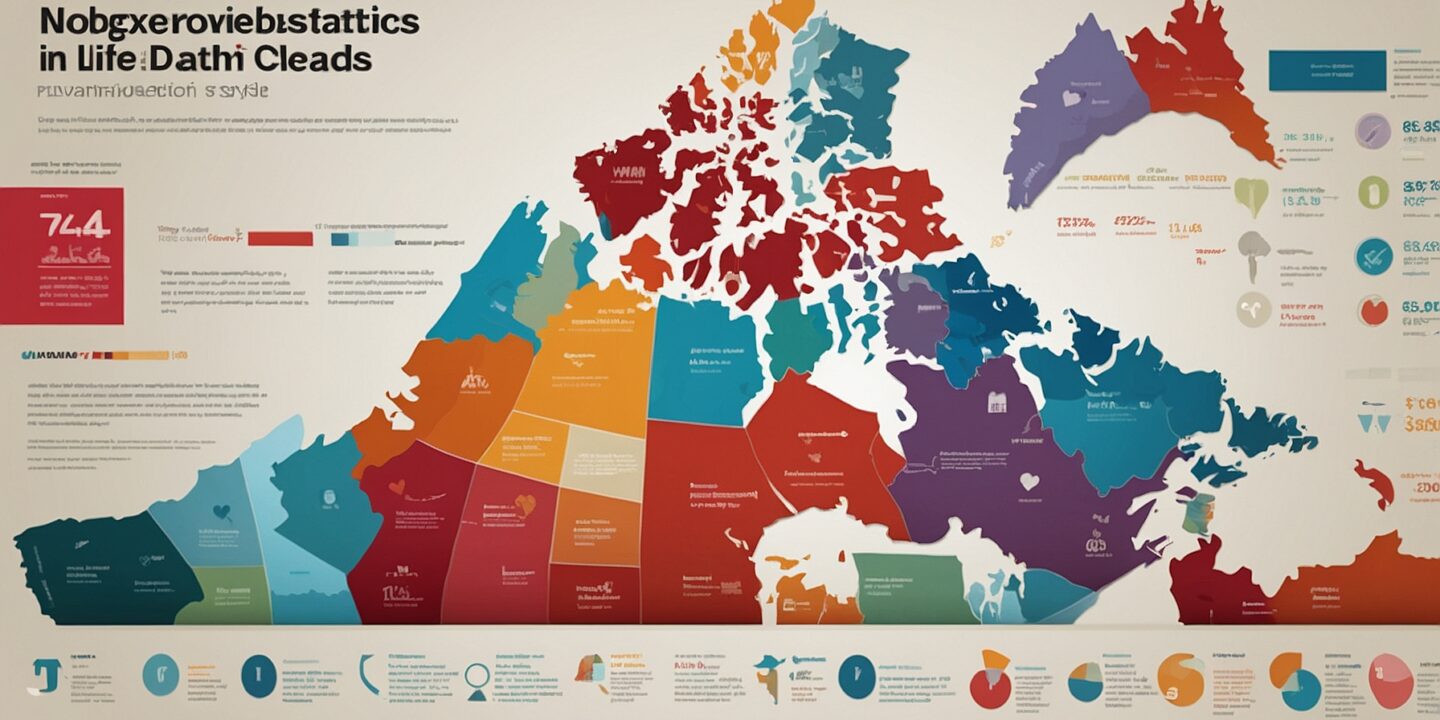
As we zoom in on regional healthcare satisfaction, Ontario shines with a 61% approval rating—go team, go! Meanwhile, Atlantic Canada needs to get its act together, coming in at 45% satisfaction and Alberta not far behind with 51%. Despite the challenges, provinces like Newfoundland, PEI, and Nova Scotia are gaining ground with targeted teams and enhanced data-sharing initiatives. But for our rural, remote, immigrant, and Indigenous communities, healthcare still feels like an afterthought.
In conclusion, while Canada’s healthcare system is trying its best to be the universal lifebuoy we all need, it’s grappling with significant hurdles like demographic shifts, resource gaps, and uneven satisfaction levels. To keep our beloved system from flowing away like last week’s snow, we must pump up investment and reform to tackle the ever-evolving public health needs. After all, we’re all in this together—let’s make Canada’s healthcare system the envy of the world!
“`







No Comments